Beyerdynamic Dt 72 Ie vs Final Audio Ze3000 Sv: Which Should You Buy?
After spending roughly six months alternating between the Beyerdynamic Dt 72 Ie and the Final Audio Ze3000 Sv as my daily in-ear monitors, I finally sat down to sort out which one I reach for more often and why. If you’re narrowing your choice between these two, you’ve probably read spec sheets and marketing copy. What I’ll share here is what actually mattered to me in day-to-day listening: sound, comfort, build, real-world use, and whether each IEM matched the kind of music I listen to most.
Quick verdict
In my experience, the Final Audio Ze3000 Sv is the one to pick if you prioritize clarity, microdetail, and a lively, nuanced treble that brings acoustic instruments and vocals to life. The Beyerdynamic Dt 72 Ie is my go-to if I want relaxed long-session comfort, stronger low-end presence, and more forgiving tuning for modern, bass-forward tracks. Both are excellent — they simply lean in different directions.
Why I tested both for months
I live with my listening gear. I commuted with both sets on different days, used them for work calls, mixed some hobby mixes, and listened to everything from classical and jazz to electro and metal. I also tried different ear tips, sources (phone, portable DAC/AMP), and playing volumes. That prolonged use revealed details you won’t catch in a single afternoon audition.
What’s in the box and build quality
Beyerdynamic Dt 72 Ie
The Beyerdynamic feels utilitarian from the moment you unbox it. The housings are compact, slightly rounded, and have that industrial Beyerdynamic aesthetic — no unnecessary flash, just clean lines. The cable that came with my unit was sturdy, with low but noticeable microphonics. The strain reliefs are well executed and the connection to the housings feels secure.
What I appreciated: the design is built to last. After months of tossing them in a small bag, I didn’t notice any looseness or cracks. What disappointed me: the stock eartips were fine but not ideal for maximum isolation, and the supplied case is serviceable but larger than necessary.
Final Audio Ze3000 Sv
The ZE3000 SV presents itself as a more premium package. The shells are smooth and ergonomically contoured; they feel lighter in-hand than the Beyerdynamic. The cable on the ZE3000 SV was immediately noticeably more refined — softer, less microphonic, and with nicer connectors. Final tends to pay attention to tactile details, and that shows here.
What I appreciated: the packaging and included accessories felt high-end, and the housings are elegant. What disappointed me: the finish shows fingerprints more readily, and for someone who sweats during exercise, the smooth finish can become a little slippery.
Fit and comfort (real-world)
Fit is hugely personal, but here’s how they behaved for me.
- Beyerdynamic Dt 72 Ie: I found these very comfortable for long listening sessions — the rounded housings distributed pressure well and I could wear them for multiple hours without fatigue. If you have smaller ear canals you may need to experiment with tips, but once dialed in they stay put. I did occasionally find micro-adjusting necessary during walking.
- Final Audio Ze3000 Sv: These are very snug. I noticed a more "sealed" feeling straight away, which helped isolation and bass impact. For me, the shape sat flush and secure even during short runs. On very long sessions they became a touch tiring in one spot behind my tragus, but swapping to softer tips resolved it.
Sound signature and performance
Below I break down what each IEM brought to the table across bass, mids, treble, soundstage, and timbre.
Bass
With the Beyerdynamic Dt 72 Ie I immediately noticed a fuller, more rounded low end. Kick drums and electronic basslines had weight and a natural decay that made modern pop and hip-hop enjoyable without feeling exaggerated. The Dt 72 Ie's bass felt slightly warmer and more forgiving — it doesn’t always reveal sub-bass nuance, but it gives a satisfying musical impact.
Shop the latest Audio & Headphones picks on Amazon.
See Deals →The Final Audio Ze3000 Sv delivered bass that is tighter and faster. Sub-bass extension is cleaner and there’s better articulation between bass notes. That made basslines more precise, especially on complex mixes. However, because the ZE3000 focuses on control and speed, it can sound less indulgent than the Beyerdynamic on bass-heavy tracks.
Mids
Vocals and acoustic instruments on the DT 72 IE come across warm and present without being shouty. I noticed male vocals often sounded richer, while female vocals were natural but slightly pulled back compared to the ZE3000. The Beyerdynamic has a musical midrange that is forgiving, which I liked for long-term listening and mixed-genre playlists.
The ZE3000 SV has mids that are more forward in the mix and have greater clarity. I found subtle harmonics and breath details in vocals that I didn’t hear as clearly on the Beyerdynamic. For acoustic guitar and stringed instruments, the ZE3000 brought out the microtextures in a way that made them feel more “in the room.”
Treble
Treble is where the two diverge significantly. The Beyerdynamic keeps the treble smooth and controlled. Cymbals and synth highs are pleasant and rarely fatiguing; however, in exchange, some microdetail in upper harmonics can feel slightly muted.
The Final Audio Ze3000 Sv emphasizes upper-frequency detail. Treble is crisp and extended, which made hi-hats and bowed instruments sparkle. I was occasionally surprised by how much shimmer the ZE3000 revealed. That said, on poorly mastered tracks or at high volumes, the ZE3000 can be mildly fatiguing — something I noted during extended sessions without breaks.
Soundstage and imaging
The ZE3000 SV gave me a slightly wider sense of space and better instrument separation, particularly in acoustic and classical recordings. Panning felt precise and layers in a dense mix were easier to pick apart. The DT 72 IE presents a solid, intimate soundstage with good focus but not the same sense of width — it excels at putting the listener close to the music rather than expanding it outward.
Accessory and tip matters
I spent a good chunk of time swapping tips on both IEMs. For the Beyerdynamic, I found medium-bore silicone tips with a slightly longer stem gave the best seal and improved bass. For the Final Audio, the softer silicone tips gave the comfort needed without sacrificing detail. In both cases, tips changed the personality enough that I recommend experimenting before final judgment.
Daily use and durability
Over six months the Beyerdynamic showed little wear — no rattles, no housing discoloration. The cable held up but developed small kinks where I looped it in my pocket. The ZE3000’s cable felt more premium out of the box and stayed tangle-free more often, but the shiny finish on the housings picked up small scuffs if I dropped them onto rough surfaces.
One practical annoyance with both: neither set has perfect passive isolation — around city transit noise they reduce ambient sound but won’t fully block loud engines. Expect to raise volume in noisy environments, which then increases the chance of fatigue on the ZE3000.
Find top-rated Audio & Headphones products at great prices.
See Deals →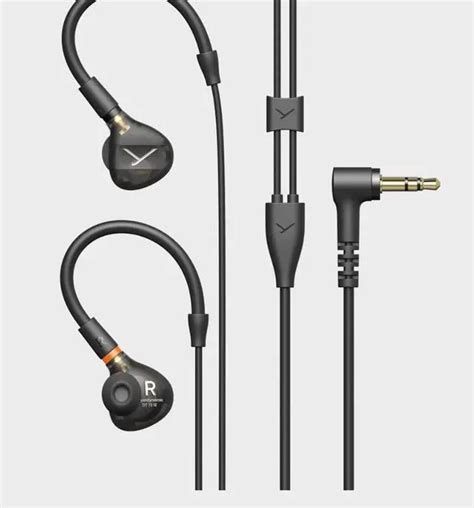
Pros & Cons
Beyerdynamic Dt 72 Ie — Pros
- Comfortable for long listening sessions — I could wear them for hours.
- Warm, musical bass that makes modern tracks enjoyable without sounding boomy.
- Rugged, utilitarian build that felt durable after months of pocket-and-bag use.
- Non-fatiguing treble suitable for extended listening.
Beyerdynamic Dt 72 Ie — Cons
- Not as revealing in the high end — some microdetail is smoothed over.
- Stock tips and case are adequate but not premium.
- Occasional micro-adjusting needed for a secure fit during exercise.
Final Audio Ze3000 Sv — Pros
- Exceptional clarity and detail retrieval in the mids and treble — great for acoustic and vocal work.
- Tight, controlled bass that’s articulate and fast.
- Premium-feeling cable and accessories that improve the unboxing experience.
- Better soundstage width and imaging for critical listening.
Final Audio Ze3000 Sv — Cons
- Treble can be bright and occasionally fatiguing over long sessions or on poorly mastered tracks.
- Finish attracts fingerprints and can be slightly slippery during sweaty activities.
- More revealing nature means it exposes flaws in low-bitrate or poorly mixed tracks.
Comparison table
| Beyerdynamic Dt 72 Ie | Final Audio Ze3000 Sv | |
|---|---|---|
| Sound signature | Warm, musical, slightly bass-forward | Detailed, neutral-to-lean, treble-forward |
| Bass character | Full-bodied, smooth | Tight, quick, articulate |
| Mids | Rich and forgiving | Clear, revealing, slightly forward |
| Treble | Controlled, non-fatiguing | Extended, crisp, can be bright |
| Soundstage & imaging | Intimate, focused | Wider, more layered |
| Comfort | Excellent for long sessions | Very comfortable but can fatigue with longer use without tip change |
| Build & accessories | Rugged, practical accessories | Premium cable and nicer presentation |
| Best use case | Daily listening, long sessions, bass-forward genres | Critical listening, acoustic, vocal-focused music |
| My pick for | Comfort and musicality | Detail and clarity |
Source matching and tips
Both IEMs are forgiving with phones, but the ZE3000 benefits noticeably from a cleaner source. When I connected the ZE3000 to my portable DAC/amp, the improvements in resolution and bass control were obvious. The Dt 72 Ie sounded very good straight from a phone and only marginally better with amplification; its tuning masks some source impurities.

Tip choices matter: foam tips made the Beyerdynamic even bassier and more immersive, while medium silicone tips kept the ZE3000 balanced and comfortable. If you plan to use them mainly with a phone on the go, the Beyerdynamic will give you consistently pleasing results with minimal tweaking. If you want to use a DAP or DAC/AMP and enjoy critical listening, the ZE3000 rewards better sources.
Buying guide: How to choose between them
Here’s how I decided who was the right fit based on my priorities — use this to map your own preferences.
- If you prioritize long-session comfort: Choose the Beyerdynamic Dt 72 Ie. I found them less fatiguing over multiple hours and perfect for background listening while working.
- If you want the most detail and imaging: Go with the Final Audio Ze3000 Sv. I heard microdynamics and separation that the Beyerdynamic smoothed over.
- If you listen to bass-heavy modern music: The Beyerdynamic’s richer low end made tracks feel punchier and more enjoyable on the couch or commute.
- If you listen primarily to acoustic, jazz, or classical: The ZE3000’s treble and mid clarity deliver a more lifelike presentation.
- If you’ll use a phone only: The Beyerdynamic is more forgiving and will sound great out of the box. The ZE3000 wants a clean source to sing.
- If you’re sensitive to bright treble: I recommend the Beyerdynamic. The Final Audio can be revealing in a way that some find fatiguing.
- If aesthetics and accessories matter: The Final Audio offers a more premium unboxing and better-feeling cable; it felt like a nicer package overall.
Real-world listening notes (specific tracks that helped me decide)
To be concrete, a few tracks shaped my impressions:
- Billie Eilish — “When We All Fall Asleep” (production-heavy electronic pop): The Beyerdynamic made the bass weight satisfyingly full; the ZE3000 separated layers better but sounded leaner.
- Norah Jones — “Don’t Know Why” (vocal/acoustic): ZE3000 let me hear breath details and guitar pick texture more clearly; the DT72 gave a warmer, more intimate vocal.
- Rubens — orchestral pieces: ZE3000 provided a better sense of space and placement; the DT72 kept the orchestra close and warm.
- Electronic dance music with heavy sub-bass: I found the DT72 more satisfying for casual listening while the ZE3000 exposed the engineered sub-bass as more precise but less indulgent.
Final thoughts — which should you buy?
After living with both the Beyerdynamic Dt 72 Ie and the Final Audio Ze3000 Sv, my choice depends on what I plan to listen to and how I listen:
- If you want a comfortable, durable IEM that flatters modern music and is easy to live with daily, I reach for the Beyerdynamic Dt 72 Ie more often. It’s less demanding, musically generous, and hard to dislike during long sessions.
- If you want analytical clarity, engaging treble, and superior imaging for critical listening or acoustic music, the Final Audio Ze3000 Sv is the better match. It reveals detail in a way that makes music feel fresh — provided you’re willing to manage the occasional fatigue on brighter recordings and pair it with a decent source.
In my personal rotation I’ve kept both: the Beyerdynamic for long commutes, background listening, and bass-forward playlists; the Final Audio for evening listening sessions when I want to focus on detail and texture. Neither is objectively “better” in every way — they are complementary. What I found most useful after months of use was that understanding what I wanted from a pair of IEMs (comfort vs. detail vs. bass) made the choice trivial.
If you care most about comfort, musical warmth, and a forgiving sound that works without much fuss, go for the Beyerdynamic Dt 72 Ie. If you want precision, air, and a revealing presentation for carefully produced music, the Final Audio Ze3000 Sv will reward patience and a good source.
Wrap-up
Both of these are high-quality choices from brands that clearly know how to tune and build an in-ear monitor. I’ve enjoyed months with both and still reach for them for different reasons. What I encourage you to do is think about your typical listening scenarios: long sessions, genre preferences, and whether you’ll invest in a better source. Once you know those, the decision becomes straightforward — and in my case, keeping both feels justified.